Tesla's Flying Roadster: What Was Shown, What Is Still Pending and What It Teaches About U.S. Regulation
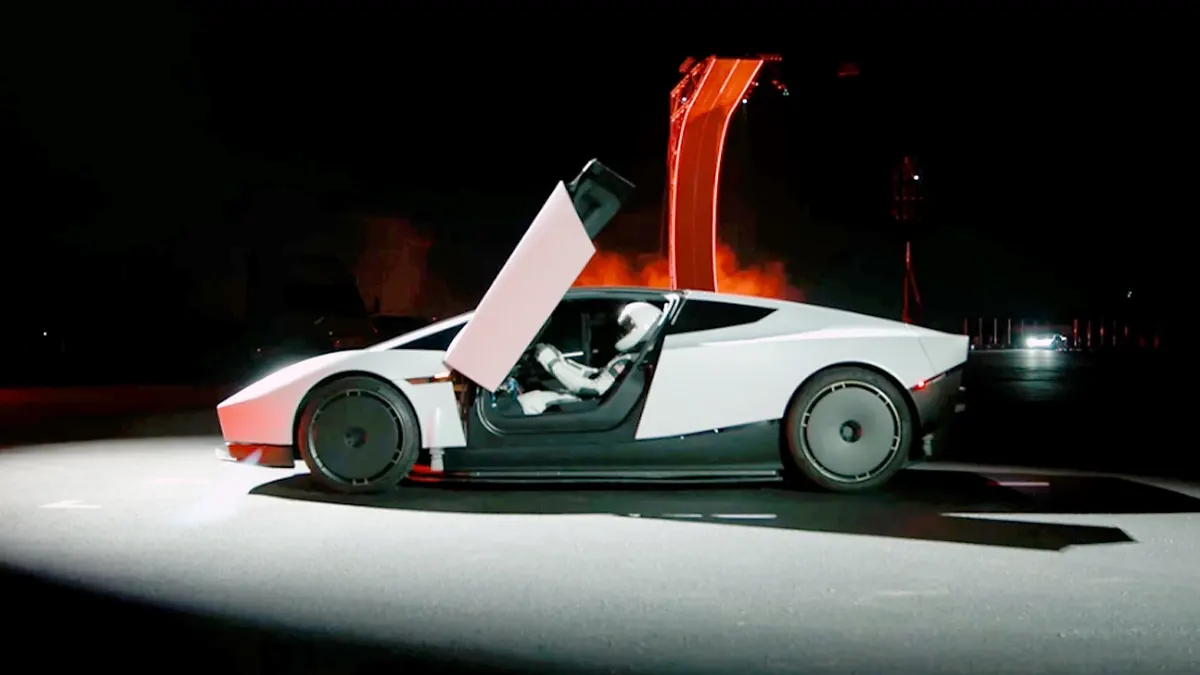
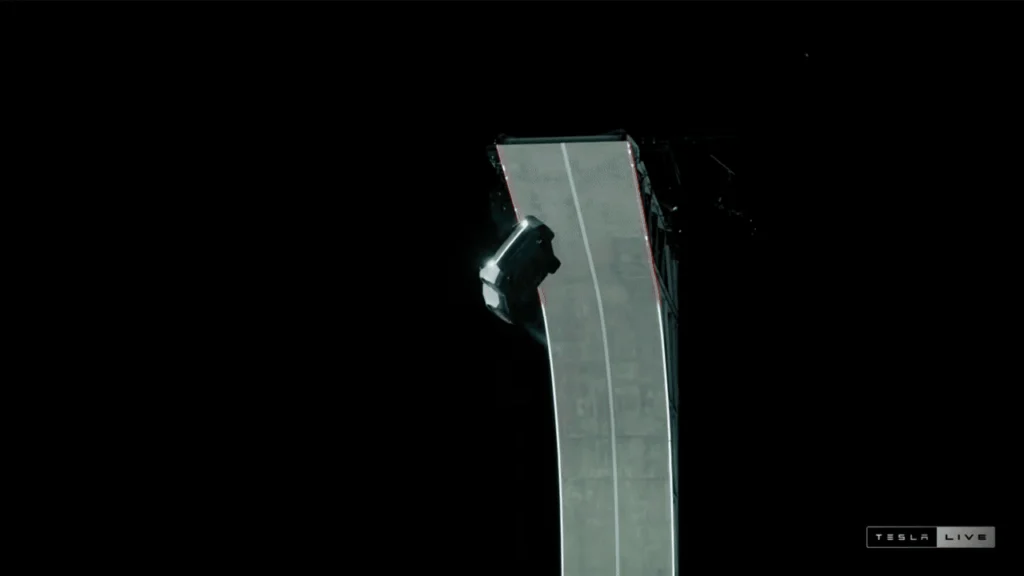
On October 15, 2026, Tesla unveiled its next-generation Roadster in a live broadcast on X from a SpaceX test site in Texas. In the demo, the car climbed a curved ramp, launched with compressed-gas thrusters, rolled in the air and landed on its wheels. Beyond the spectacle, the launch offers a clear lesson for any company bringing a new product to the U.S.: learn which agency oversees it before launch day.
What Was Shown
According to CBS News, the car rolled 180 degrees in mid-air before landing, and Elon Musk said it gets airborne with “ultra high-pressure air tanks.” Fox News adds that the prototype also flew over a lineup of Tesla vehicles with nobody inside, using cold-gas thrusters, electric fans for grip and, in the Rocket version, ten thrusters in total.
Tesla announced 0 to 60 mph in about 0.8 seconds and production starting in 2028, and Musk called it Tesla’s last manually driven car, as Axios reports. These are company claims, and Axios did not verify them.
What Is Still Pending
- Price and flight time. Both have yet to be announced for the Rocket version. A non-flying Roadster can be reserved online with a $5,000 deposit, and Fox News notes that Tesla’s terms describe a reservation as a place in line rather than a vehicle order.
- Approval. Tesla’s website lists the flying model as not yet approved for public road use. The FAA told CBS News that the vehicle falls outside its definition of an aircraft, and it remains unclear which agency would oversee it.
- Timeline. Tesla first expected deliveries around 2020. Musk now points to 2028, which Fox News calls a target rather than a guaranteed date, and Musk himself said success is “not guaranteed.”
- Market impact. Analyst Dan Ives told CBS News he expects limited production and a small effect on Tesla’s volume and revenue.
What This Means for Your U.S. Entry
A product that crosses categories can meet more than one regulator. Coverage of the Roadster mentions the FAA, NHTSA and the Department of Transportation, and it remains unclear which one would oversee the vehicle. Three steps keep your own launch on schedule:
- Identify which U.S. agencies, standards and certifications apply to your product before you set a launch date.
- Label what is confirmed and what is a target in your sales materials, as the coverage does for Tesla’s figures.
- Write reservation, pilot and pre-order terms in plain language so customers know exactly what they are buying.
The Bottom Line
The Roadster demo drew global attention within hours, while approvals and deliveries will take years. A U.S. market entry works the same way: attention arrives quickly, and regulatory clarity builds the path to customers.
Are You Considering Expanding Your Company Into the United States?
Appalanca is an internationalization consultancy that prepares Latin American companies to enter and grow in the United States. We work with you to prepare, adapt, position, connect and grow in the market, and we start with a free consultation with our founder.